Emergency Trauma Care in Thailand: How Advanced Brain Injury Treatment Helped an Icelandic Traveler
Last updated: 25 Sept 2026
106 Views
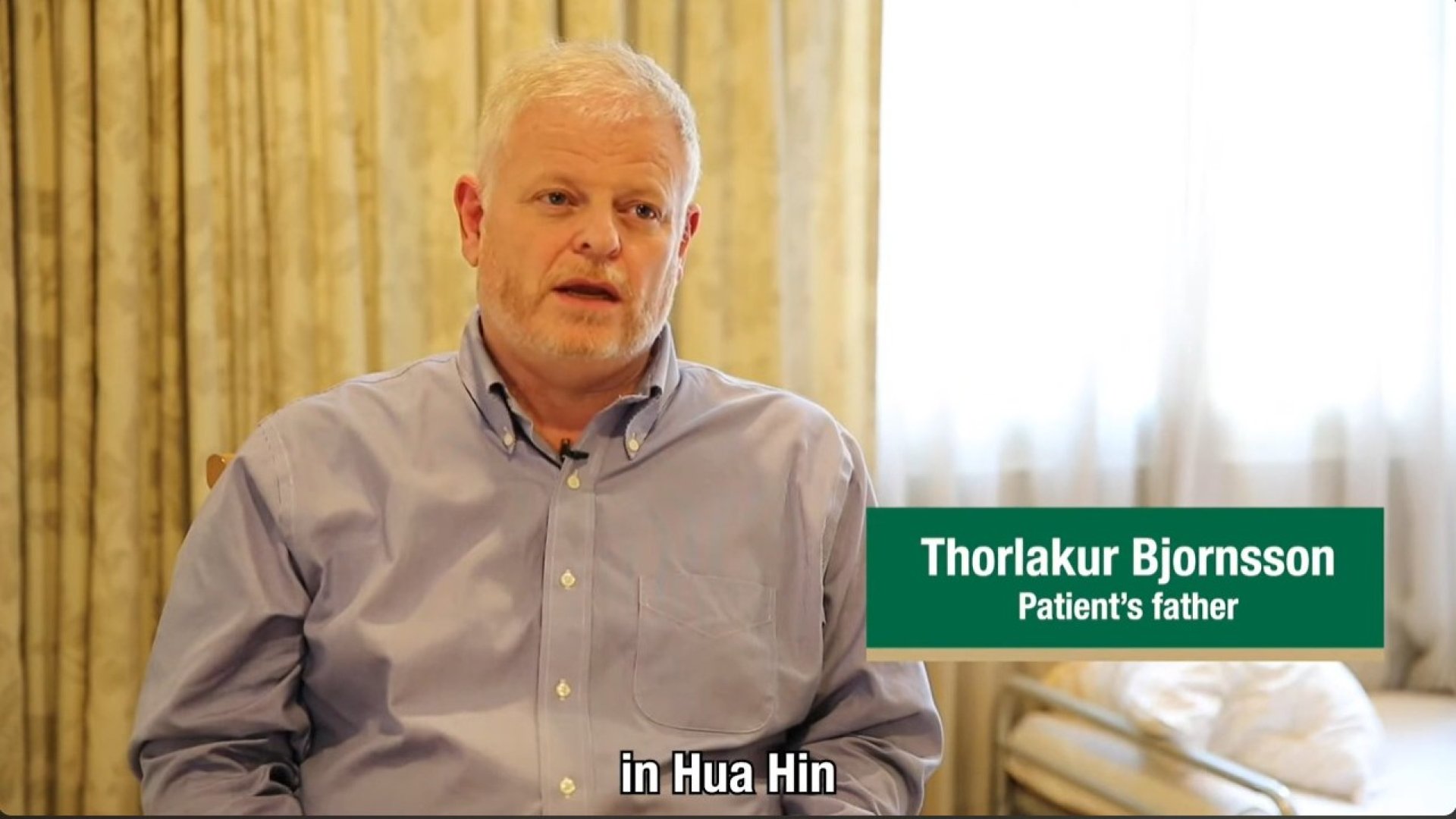
From a Life-Threatening Motorcycle Accident to Recovery: How Emergency Care in Thailand Helped an Icelandic Traveler
A Story of Rapid Emergency Response, Advanced Neurosurgical Care, and International Patient Support
Travelling abroad is often an exciting adventure, but unexpected medical emergencies can happen anywhere. When serious injuries occur, rapid emergency response, advanced medical expertise, and coordinated trauma care become critical.
For Teitur Tomas Thorlaksson, an Icelandic traveller enjoying his dream holiday in Thailand, a devastating motorcycle accident suddenly changed everything. He sustained life-threatening brain injuries that required immediate specialist care.
Thanks to emergency aviation transport, highly trained medical professionals, and comprehensive treatment at a leading hospital in Bangkok, Teitur recovered sufficiently to return safely to Iceland—a remarkable journey made possible through coordinated emergency medicine and expert trauma care.
A Holiday That Took an Unexpected Turn
Like many international visitors, Teitur came to Thailand to experience its beautiful landscapes, warm hospitality, and vibrant culture.
However, during his trip, he was involved in a serious motorcycle accident that resulted in severe head injuries requiring urgent medical attention.
In traumatic brain injury cases, every minute counts. Early assessment and prompt treatment can play a crucial role in stabilising patients and guiding further care.
The Importance of Emergency Medical Transport
One of the most important factors in Teitur's survival was rapid access to advanced medical care.
Emergency aviation services enabled him to be transported quickly to a hospital equipped to manage complex neurological trauma.
For critically injured patients, specialised medical transport can provide:
- Continuous monitoring
- Advanced life support
- Rapid transfer to specialist facilities
- Coordination between emergency teams and hospital specialists
This seamless transition allows treatment to begin as quickly as possible.
Understanding Traumatic Brain Injuries
A traumatic brain injury (TBI) occurs when a sudden external force damages the brain.
Common causes include:
- Motorcycle accidents
- Road traffic collisions
- Falls
- Sports injuries
- Workplace accidents
Depending on the severity of the injury, symptoms may include:
- Loss of consciousness
- Severe headache
- Confusion
- Memory problems
- Nausea or vomiting
- Difficulty speaking
- Weakness or numbness
- Changes in vision or balance
Every brain injury is unique, and treatment depends on the type, location, and severity of the injury.
Advanced Emergency and Neurosurgical Care
Patients with serious brain injuries often require coordinated care from multiple specialists.
Comprehensive trauma management may involve:
- Emergency physicians
- Neurosurgeons
- Intensive care specialists
- Radiologists
- Neurologists
- Rehabilitation teams
- Critical care nurses
Advanced diagnostic imaging, continuous neurological monitoring, and timely interventions help guide treatment decisions during the most critical stages of recovery.
A Coordinated Team Approach
Modern trauma care depends on collaboration between healthcare professionals.
From emergency transport through intensive care and rehabilitation, multidisciplinary teams work together to provide individualised treatment based on each patient's condition.
This coordinated approach helps ensure continuity of care throughout the recovery process.
The Road to Recovery
Recovery from a serious brain injury is often gradual and requires patience, medical supervision, and rehabilitation.
Depending on the individual's needs, recovery may include:
- Neurological monitoring
- Physical therapy
- Occupational therapy
- Speech and language therapy
- Cognitive rehabilitation
- Psychological support
- Regular follow-up assessments
Every patient's recovery journey is different, and progress varies according to the nature and severity of the injury.
Returning Home Safely
After receiving life-saving treatment and ongoing medical care in Bangkok, Teitur recovered sufficiently to return home to Iceland.
For many international patients, returning home involves careful coordination between healthcare providers, travel specialists, insurers, and family members to ensure that medical transport is safe and appropriate.
Why International Travellers Trust Thailand for Emergency Medical Care
Thailand has earned a strong international reputation for providing high-quality emergency and specialist healthcare.
Many travellers choose Thailand with confidence because of its:
Experienced Emergency Teams
Emergency physicians, trauma specialists, and intensive care professionals are experienced in treating critically ill and injured patients.
Advanced Medical Technology
Leading hospitals offer:
- Modern emergency departments
- High-resolution CT and MRI imaging
- Intensive care units
- Neurosurgical operating theatres
- Advanced monitoring systems
International Patient Services
Hospitals commonly provide:
- English-speaking coordinators
- Interpreter services
- Insurance assistance
- Medical report preparation
- Coordination with overseas healthcare providers
- Travel planning support for medical repatriation
These services help reduce stress for patients and their families during challenging situations.
Staying Safe While Travelling in Thailand
Although serious accidents are uncommon, travellers can reduce their risk by taking sensible precautions.
Helpful safety tips include:
- Wear a properly fitted motorcycle helmet if riding or being a passenger.
- Follow local traffic laws.
- Avoid riding when tired or under the influence of alcohol or drugs.
- Purchase comprehensive travel insurance that includes emergency medical evacuation.
- Know the location of nearby hospitals and emergency contact numbers.
Preparation cannot prevent every accident, but it can make a significant difference if an emergency occurs.
Why Thailand Is a Trusted Destination for Medical Care
Thailand continues to attract international patients because it offers:
✔ Advanced emergency medicine
✔ Experienced neurosurgical specialists
✔ Modern intensive care facilities
✔ Comprehensive trauma services
✔ International patient support
✔ Efficient medical coordination
✔ High standards of healthcare
✔ Compassionate patient-centred care
These strengths have made Thailand a respected destination for both planned medical treatment and emergency healthcare.
Conclusion
Teitur Tomas Thorlaksson's story is a powerful reminder of the importance of rapid emergency response and expert medical care.
Following a life-threatening motorcycle accident during his holiday in Thailand, he received emergency aviation transport, specialist neurological treatment, and comprehensive hospital care that supported his recovery and safe return home.
While every emergency is different and outcomes depend on many factors, his experience highlights Thailand's ability to provide advanced trauma care for international patients when every moment matters.
Whether travelling for leisure, business, or medical treatment, knowing that high-quality healthcare is available can provide valuable peace of mind throughout your journey.
Summary
The Accident and Injuries:
The Accident and Injuries:
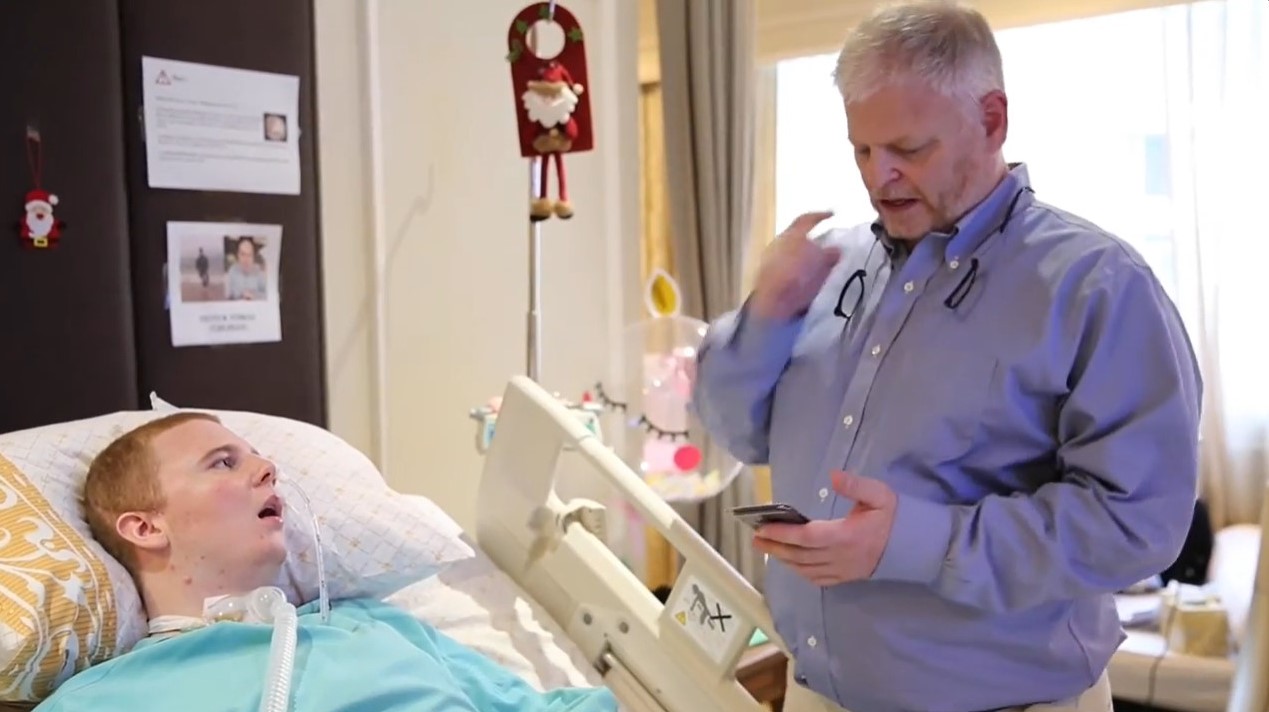
Mr. Thorlakur Bjornsson's son suffered a catastrophic, life-threatening traffic accident while vacationing with his girlfriend in Hua Hin, Thailand. The severe injuries included trauma to the brain, extensive brain swelling, a broken shoulder in four places, a broken right arm, a left leg fractured in two places, and multiple shattered facial bones (nose and chin).
Surgical Path to Recovery:
The patient underwent four major, complex surgeries at Samitivej Hospital. The immediate medical priority was addressing the critical brain swelling. Once stabilised, the surgical team repaired his shattered shoulder and broken limbs. Three months after the initial accident, doctors completed a definitive operation to close his skull.
Exceptional Communication and Care:
Coming from Iceland, the family initially did not know what to expect from international healthcare. However, they were met with extreme medical professionalism. A dedicated team of doctors visited daily, providing transparent medical updates and progress reports even after simple procedures like blood tests. This seamless communication extended to the patient's doctors back home in Iceland, giving the family double reassurance that the treatment plan was ideal.
Medical Repatriation:
When the family's private insurance company was unable to coordinate a proper medical evacuation plan back to Iceland, Samitivej Hospital’s internal Medical and Aviation Department took over the logistics. The hospital successfully arranged the journey, coordinating a specialised medical escort team to fly with the family back home.


Related Content

Explore regenerative medicine in Thailand, including stem-cell research, cell and gene therapies, ATMP development, regulation and considerations for international patients.
 Noottie
1 Oct 2026

Discover why expatriates and international travellers choose Bangkok for affordable health check-ups, preventive healthcare, and world-class medical services.
 Petergems
24 Jun 2026

Discover what international patients should know about Thailand's world-class hospitals, advanced medical technology, experienced specialists, and medical tourism services.
 Thomas K.
14 Jul 2026
