Innovative Spine Surgery Techniques Available in Thailand
Last updated: 21 Aug 2026
101 Views

Innovative Spine Surgery Techniques Available in Thailand
Advanced Spine Care, Minimally Invasive Procedures, and Modern Treatment Options for International Patients
Spine problems can significantly affect mobility, comfort, work, sleep, and quality of life. For patients who require surgery, advances in modern medicine have created less invasive approaches designed to treat selected spinal conditions while potentially reducing tissue disruption and recovery time.
Thailand has developed a strong reputation for advanced healthcare and medical tourism, with major hospitals offering specialised spine and neurosurgical services. Depending on the patient's diagnosis, anatomy, previous treatments, and overall health, specialists may consider techniques such as endoscopic spine surgery, minimally invasive spine surgery, spinal decompression, and advanced image-guided procedures.
For international patients, Thailand can provide an opportunity to combine specialist spine care with comprehensive diagnostics, rehabilitation, and coordinated medical travel services.
What Is Innovative Spine Surgery?
Innovative spine surgery generally refers to newer or advanced surgical techniques that aim to improve precision, reduce unnecessary tissue disruption, or provide alternatives to traditional open procedures.
Examples can include:
- Endoscopic spine surgery
- Minimally invasive spine surgery
- Microscopic spine surgery
- Tubular retractor techniques
- Image-guided spinal procedures
- Minimally invasive spinal fusion
- Advanced disc procedures
- Computer-assisted surgical planning
Not every technique is appropriate for every patient. A spine specialist must determine the most suitable approach after reviewing the patient's symptoms, examination, imaging, and medical history.
1. Endoscopic Spine Surgery
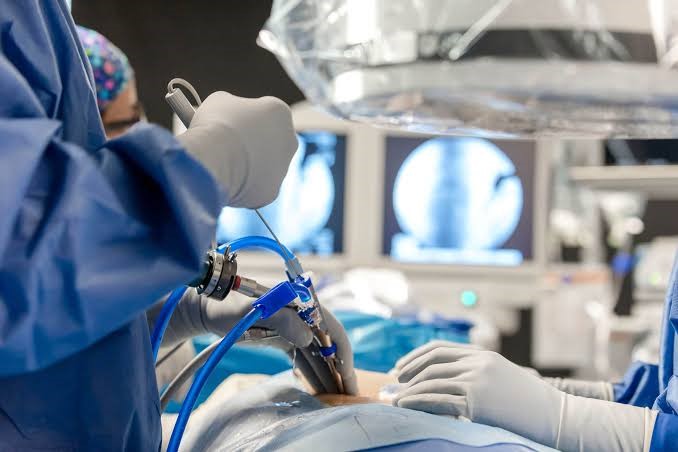
Endoscopic spine surgery is one of the most notable developments in minimally invasive spinal care.
Instead of using a large surgical opening, the surgeon uses a small access point and an endoscope equipped with a camera and specialised instruments.
Depending on the condition, endoscopic techniques may be used to address problems such as:
- Certain herniated discs
- Nerve compression
- Selected cases of spinal stenosis
- Some degenerative spinal conditions
- Potential advantages may include smaller incisions and less disruption to surrounding tissues.
However, endoscopic surgery is not suitable for every spinal condition.
2. Minimally Invasive Spine Surgery
Traditional spinal surgery can sometimes require significant exposure of the spine.
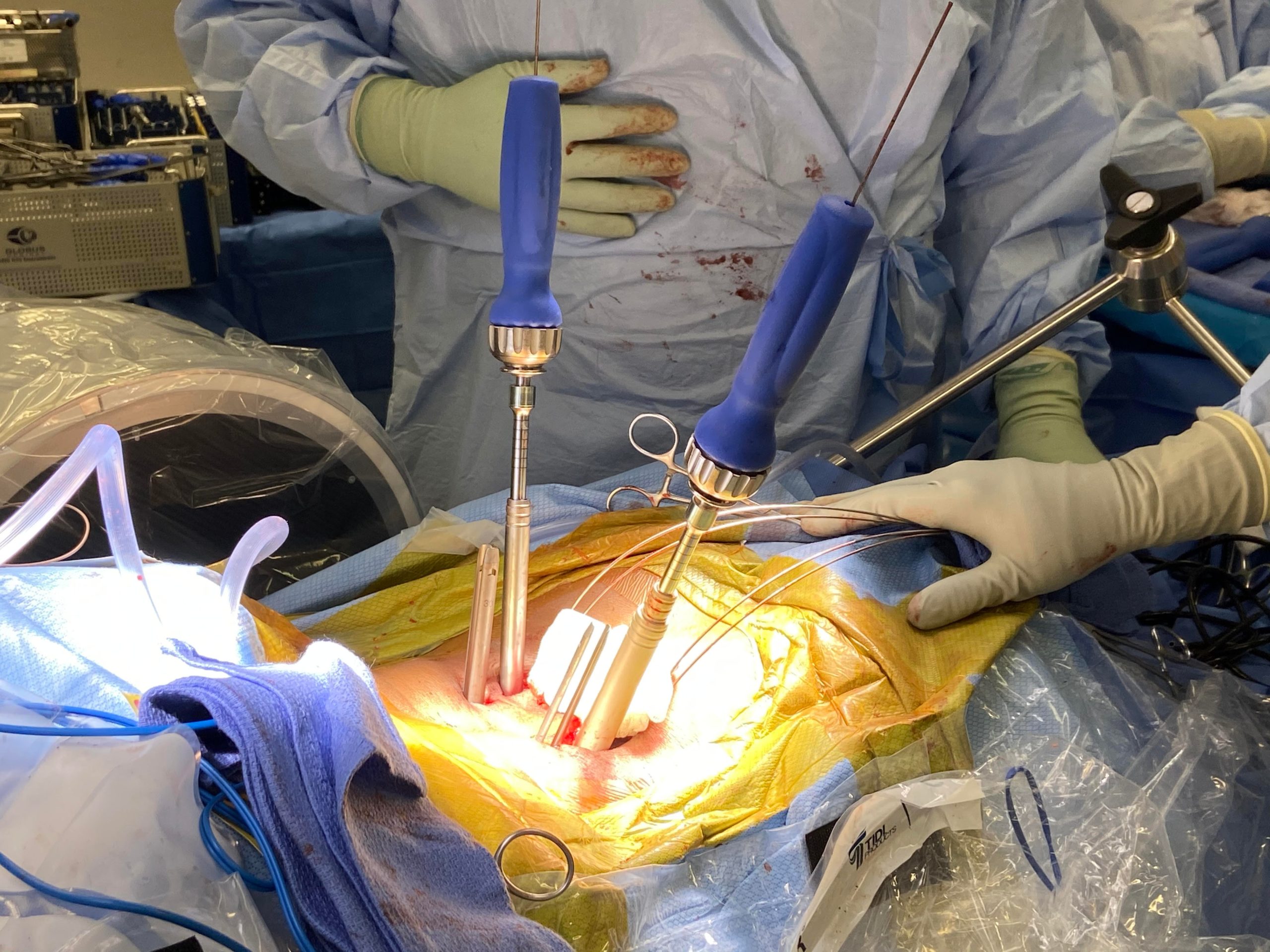
Minimally invasive spine surgery (MISS) uses specialised instruments and smaller surgical approaches to reach the affected area while attempting to minimise damage to surrounding muscles and tissues.
Depending on the procedure, potential benefits may include:
- Smaller incisions
- Reduced muscle disruption
- Less postoperative discomfort for some patients
- Shorter hospitalisation in selected cases
- Faster functional recovery in appropriate patients
Outcomes vary depending on the diagnosis, procedure, and individual patient.
3. Microscopic Spine Surgery
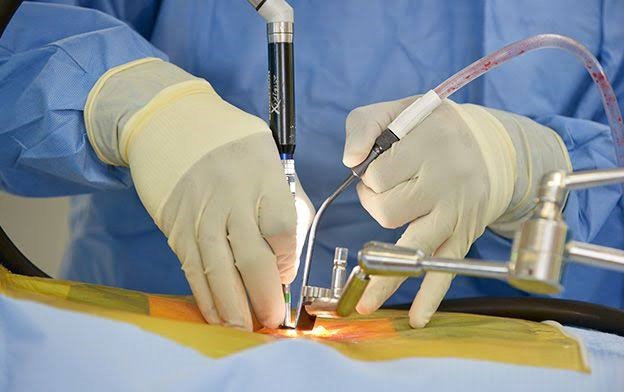
Microsurgical techniques use a surgical microscope to provide magnified visualisation of delicate anatomical structures.
This can be particularly useful when surgeons need to work close to:
- Spinal nerves
- The spinal cord
- Disc material
- Small blood vessels
Microscopic procedures may be used for selected disc and nerve-compression conditions.
4. Minimally Invasive Decompression
Spinal stenosis occurs when areas around the spinal cord or nerves become narrowed, potentially causing pain, numbness, weakness, or difficulty walking.
When conservative treatment is unsuccessful and surgery is appropriate, decompression may be considered.
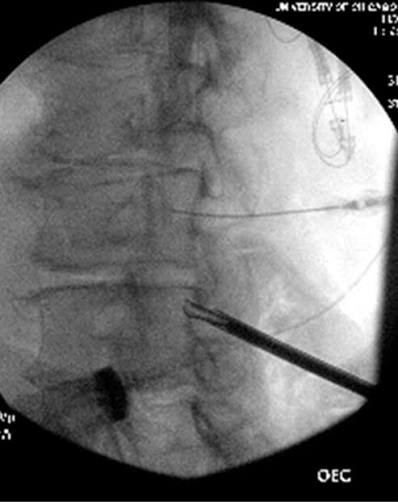
Minimally invasive approaches can allow surgeons to remove or modify structures causing nerve compression through more limited surgical access.
The exact procedure depends on the location and cause of the compression.
5. Minimally Invasive Disc Surgery
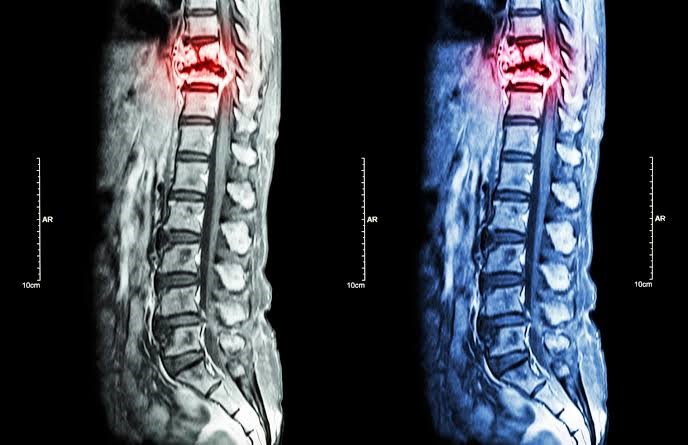
A herniated disc can sometimes compress a spinal nerve and cause symptoms such as:
- Back pain
- Leg pain
- Numbness
- Tingling
- Weakness
For selected patients, minimally invasive disc surgery can remove the portion of disc material responsible for nerve compression.
Endoscopic and microscopic techniques may provide alternatives to conventional open approaches.
6. Minimally Invasive Spinal Fusion
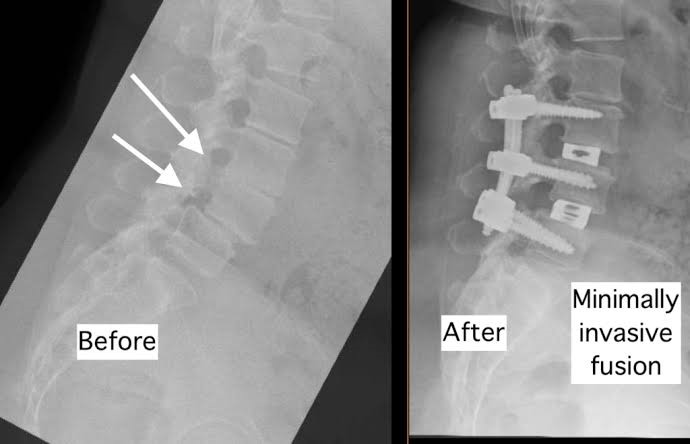
Spinal fusion is used for selected conditions where stabilising one or more spinal segments is necessary.
Modern techniques may allow fusion to be performed through smaller approaches.
Examples include different forms of minimally invasive fusion depending on the spinal region and diagnosis.
These procedures can involve:
- Specialized implants
- Bone graft material
- Image guidance
- Tubular surgical systems
- Computer-assisted planning
Fusion is a major procedure and is not appropriate simply because a patient has back pain. Careful specialist assessment is essential.
7. Image-Guided Spine Surgery
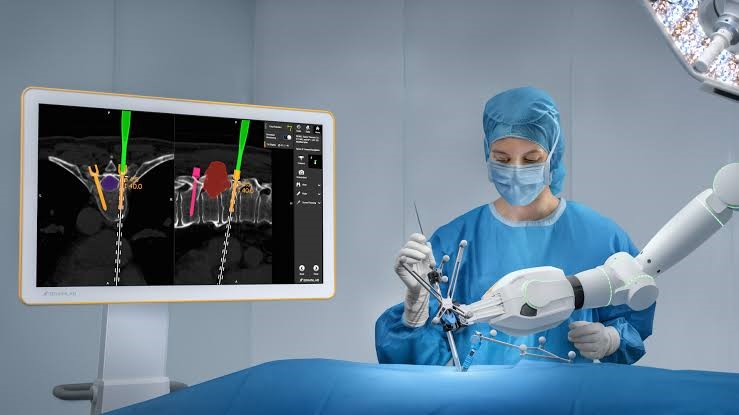
Modern imaging can help surgeons plan and perform complex spinal procedures with greater anatomical precision.
Depending on the hospital and procedure, technology may include:
- Intraoperative imaging
- 3D imaging
- Navigation systems
- Computer-assisted planning
These technologies can be particularly valuable when operating around important neurological structures.
8. Advanced Treatment for Spinal Stenosis
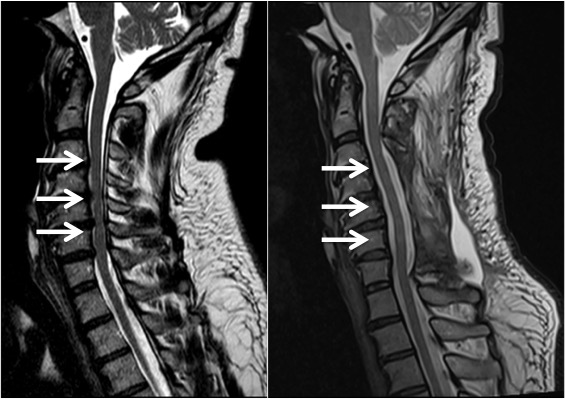
Spinal stenosis is a common reason patients seek specialised spine care.
Symptoms can include:
- Back pain
- Leg discomfort
- Numbness
- Tingling
- Weakness
- Difficulty standing or walking
Treatment depends on the severity and underlying cause.
Non-surgical treatment may be considered first. When surgery becomes necessary, specialists may evaluate decompression, minimally invasive techniques, or other procedures according to the patient's condition.
9. Advanced Treatment for Herniated Discs
A herniated disc does not always require surgery.
Many patients improve with conservative treatment such as:
- Physical therapy
- Activity modification
- Medication
- Other non-surgical treatments
When persistent nerve compression causes significant symptoms and surgery is recommended, minimally invasive or endoscopic techniques may be considered in appropriately selected patients.
Why Choose Thailand for Spine Surgery?
Thailand has become an established destination for international healthcare, supported by modern private hospitals, specialist physicians, advanced medical technology, and international patient services.
For selected spine patients, potential advantages include:
Experienced SpecialistsMajor hospitals have specialists in orthopaedic spine surgery and neurosurgery.
Advanced Diagnostics
Patients may have access to modern MRI, CT, and other diagnostic technologies.
Minimally Invasive Techniques
Depending on the diagnosis and hospital, specialists may offer advanced minimally invasive or endoscopic procedures.
Multidisciplinary Care
Complex cases may involve collaboration between:
- Spine surgeons
- Neurosurgeons
- Neurologists
- Radiologists
- Pain specialists
- Physiotherapists
- Rehabilitation specialists
Major hospitals commonly provide services designed to assist overseas patients with appointments, communication, medical records, and treatment coordination.
What Should International Patients Prepare?
Patients travelling to Thailand for spine treatment should bring relevant medical information, including:
- MRI or CT scans
- Radiology reports
- Previous surgical reports
- Laboratory results
- Medication list
- Medical history
- Previous treatment records
- Information about allergies
Digital copies of imaging studies can be particularly useful when requesting a specialist opinion.
Can Spine Surgery Be Combined With a Holiday in Thailand?
Thailand's healthcare infrastructure allows some international patients to combine medical care with travel.
However, recovery should always take priority.
After surgery, patients may need:
- Rest
- Follow-up appointments
- Physical therapy
- Restrictions on lifting
- Restrictions on driving
- Limited sightseeing
Your surgeon should determine when it is safe to travel, exercise, fly, or participate in tourism activities.
Recovery and Rehabilitation After Spine Surgery
Surgery is only one part of the recovery process.
Depending on the procedure, rehabilitation may involve:
- Physical therapy
- Mobility training
- Strengthening exercises
- Posture education
- Activity modification
- Follow-up imaging
- Pain management
A personalised rehabilitation program can help patients gradually return to normal activities.
How to Choose a Spine Specialist in Thailand
International patients should look beyond the name of a hospital.
Consider:
- The surgeon's speciality and experience
- Experience with your specific spinal condition
- The proposed surgical technique
- Hospital facilities and technology
- Expected recovery period
- Potential risks and complications
- Rehabilitation arrangements
- Follow-up care after returning home
Patients should also ask whether surgery is genuinely necessary and whether non-surgical alternatives remain appropriate.
Questions to Ask Your Spine Surgeon
Before agreeing to surgery, consider asking:
- What is causing my symptoms?
- Is surgery necessary?
- What non-surgical treatments are available?
- Why do you recommend this particular technique?
- Is minimally invasive or endoscopic surgery suitable for me?
- What are the risks?
- How long will the operation take?
- How long will I need to stay in Thailand?
- When can I return home?
- Will I need physical therapy?
- What follow-up care will I require?
These questions can help international patients make informed decisions.
The Future of Spine Surgery in Thailand
Spine care continues to evolve through advances in:
- Endoscopic surgery
- Surgical navigation
- Artificial intelligence
- 3D imaging
- Robotics and computer-assisted technology
- Personalised surgical planning
- Enhanced rehabilitation
These technologies may continue improving the precision and efficiency of selected spinal procedures.
However, technology should support—not replace—careful clinical judgment.
Frequently Asked Questions
Is endoscopic spine surgery available in Thailand?
Endoscopic spine procedures are available at some specialised hospitals in Thailand. Suitability depends on the patient's diagnosis and the surgeon's assessment.
Is minimally invasive spine surgery better than traditional surgery?
Not necessarily. The best technique depends on the individual condition. Minimally invasive surgery may offer advantages for selected patients, but conventional surgery can remain the appropriate option for complex conditions.
How much does spine surgery cost in Thailand?
Costs vary significantly depending on the procedure, hospital, surgeon, diagnosis, implants, length of hospitalisation, and rehabilitation requirements. International patients should request an individualised quotation.
How long should I stay in Thailand after spine surgery?
The required stay varies according to the operation and recovery. Your surgeon should provide a personalised recommendation before you book your return flight.
Can I get a second opinion in Thailand?
Yes. International patients can arrange specialist consultations and second opinions before deciding whether surgery is appropriate.
Conclusion
Thailand offers international patients access to a growing range of advanced spine surgery techniques, including endoscopic procedures, minimally invasive surgery, microscopic techniques, image-guided surgery, and selected minimally invasive fusion procedures.
These technologies can provide important advantages for appropriately selected patients, but there is no single procedure that is best for everyone.
The most important step is obtaining an accurate diagnosis and discussing all appropriate treatment options with an experienced spine specialist.
For international patients considering spine surgery in Thailand, careful preparation, specialist evaluation, realistic expectations, and appropriate postoperative rehabilitation are essential for a successful medical journey.
Explore Spine Care in Thailand With ThaiCureo
Planning spine treatment overseas can be complicated. ThaiCureo can help international patients explore healthcare options in Thailand and organise the different elements of their medical journey.
Our support can include:
- Finding suitable hospitals and specialists
- Arranging medical consultations
- Coordinating medical records
- Treatment planning support
- Accommodation guidance
- Travel coordination
- Recovery and rehabilitation planning
Planning spine treatment in Thailand? Contact ThaiCureo to explore your options.
Explore Thailand with ThaiCureo → For more information, FAQ, Let Us Help, or Contact Us
Other related articles
Spine & Orthopaedic Care
How Thailand Is Becoming a Global Hub for Advanced Medical Technology
Robotic-Assisted Surgery in Thailand: Precision Healthcare for Better Outcomes
How Thailand Is Becoming a Global Hub for Advanced Medical Technology
Robotic-Assisted Surgery in Thailand: Precision Healthcare for Better Outcomes
Spine Surgery Patient Stories
14 Years of Pain, One Life-Changing Recovery Story: Thomas DeAngelis
Hip Labrum Tear & Impingement: Advanced Treatment & Recovery
Mr. Bobby Keith Cliffton's Recovery: A Life-Changing Experience
Ms. Maike Stahmer's Spine Surgery Journey
Medical Tourism
Medical Tourism in Bangkok: A Complete Guide for Foreign Patients
Thailand's World-Class Hospitals: What International Patients Should Know
Why Thailand Is a Global Leader in Medical Tourism
Top Benefits of Choosing Thailand for Medical Treatment
Affordable Healthcare in Thailand: Quality Care at Lower Costs


Related Content

Explore Phuket's best beaches, cultural attractions, wellness retreats, healthy dining, and travel tips. Discover why Phuket is one of Thailand's top destinations for relaxation and medical tourism.
 Noottie
13 Jul 2026

Read Peter's inspiring story of receiving advanced cancer treatment in Thailand, featuring multidisciplinary oncology care, chemotherapy, surgery, and compassionate support.
 Petergems
5 Jul 2026

Discover how advanced arthroscopic hip surgery in Thailand helped one Canadian patient recover from a hip labrum tear and femoroacetabular impingement with expert orthopaedic care.
Petergems
30 Jun 2026
