Orthopaedic and Joint Treatment in Thailand: A Patient Guide
Last updated: 16 Nov 2026
24 Views
Orthopaedic and Joint Treatment in Thailand: A Guide for International Patients
Thailand offers a range of orthopaedic services for people with bone, joint, muscle and sports-related conditions. Hospitals provide assessment, diagnostic imaging, non-surgical care, surgery and rehabilitation. For international patients researching orthopaedic treatment in Thailand, understanding the available options is an important first step.
Treatment may involve anything from physiotherapy for joint pain to complex procedures such as hip or knee replacement. The right approach depends on the diagnosis, the patient's needs and the recommendations of a qualified orthopaedic specialist.
Why Consider Orthopaedic Treatment in Thailand?
Thailand has both public and private hospitals with orthopaedic departments and specialist centres. Some hospitals also provide international patient services, including appointment coordination and assistance with medical records.
People researching orthopaedic treatment in Thailand may find services covering:
- Joint replacement and revision surgery
- Sports injuries and ligament reconstruction
- Arthroscopic procedures
- Fracture and trauma care
- Spine and back conditions
- Bone and joint diseases
- Physical therapy and rehabilitation
The range of services varies between hospitals. Patients should check the experience of the treating team, the facilities available and whether the hospital regularly manages their particular condition.
Common Conditions Treated by Orthopaedic Specialists
Orthopaedic specialists diagnose and manage conditions affecting bones, joints, muscles, ligaments, tendons and the spine. These conditions can affect people of different ages and activity levels.
1. Osteoarthritis and Joint Degeneration
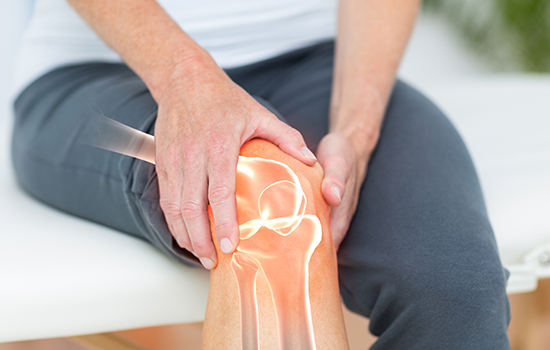
Osteoarthritis is a common joint condition in which the protective tissues within a joint gradually change. It often affects the knees, hips and hands. Symptoms can include pain, stiffness and difficulty with everyday movement.
Treatment may include exercise, physiotherapy, medication recommended by a doctor and other supportive measures. In selected cases where symptoms remain severe, joint replacement may be considered. The NHS explains the treatment options for osteoarthritis, including when surgery may be appropriate. Read the NHS guide.
For people considering orthopaedic treatment in Thailand, an assessment should establish the cause and severity of symptoms before any procedure is planned.
2. Knee and Hip Problems
Knee and hip conditions may result from osteoarthritis, previous injuries, inflammation or other structural problems.
Depending on the diagnosis, treatment may include:
- Physiotherapy and muscle-strengthening programmes
- Medication prescribed by a healthcare professional
- Joint injections when clinically appropriate
- Arthroscopic procedures for selected conditions
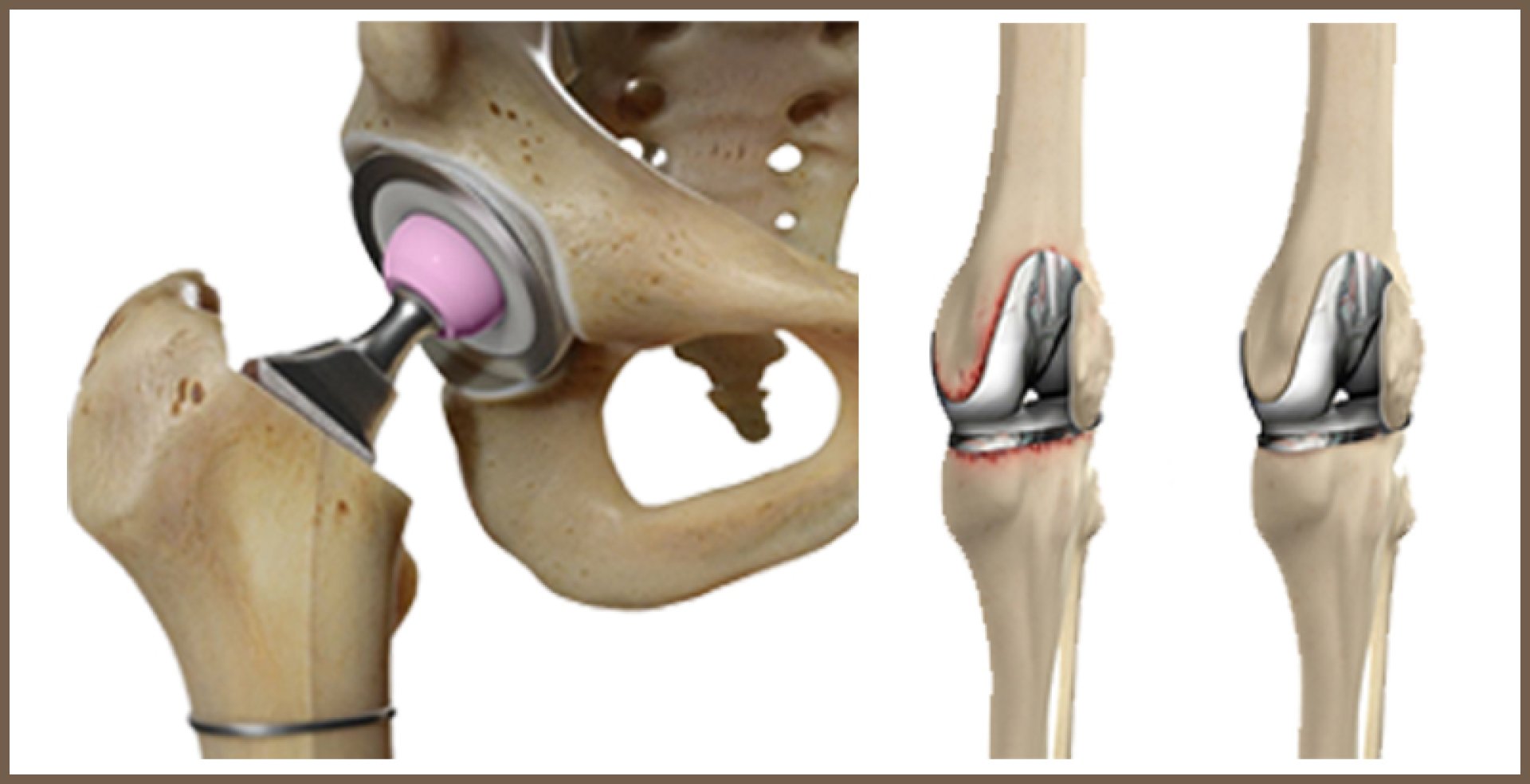
- Partial or total joint replacement
Hip and knee replacement surgery may be considered when joint damage significantly affects daily life and other suitable treatments have not provided enough relief.
3. Sports Injuries
Sports injuries can affect ligaments, tendons, cartilage and muscles. Common examples include anterior cruciate ligament (ACL) tears, meniscus injuries, shoulder problems and ankle ligament injuries.
An orthopaedic specialist may recommend a physical examination and imaging tests to understand the injury. Treatment can range from rehabilitation to surgery, depending on the type and severity of damage.
Some Thai hospitals have dedicated sports medicine services. Bumrungrad's Sports Medicine and Joint Centre, for example, describes services covering sports injuries, joint replacement, arthroscopic surgery and rehabilitation. Explore its services.
4. Spine and Back Conditions
Orthopaedic and spine specialists assess conditions such as herniated discs, spinal narrowing, some forms of spinal deformity and nerve compression.
Treatment may involve medication, physical therapy, pain-management approaches or surgery. Surgery is not necessary for every patient. A specialist should explain the expected benefits, risks and alternatives before recommending an operation.
Diagnostic Technology Used in Orthopaedic Care
Accurate diagnosis helps doctors understand the condition and select an appropriate treatment plan. Hospitals may use several types of diagnostic tests:
- X-rays: Help assess bones, fractures, joint alignment and some signs of arthritis.
- MRI scans: Provide detailed images of soft tissues, including ligaments, tendons, cartilage and spinal structures.
- CT scans: Produce detailed cross-sectional images of bones and complex structures.
- Bone mineral density tests: Help assess bone strength and the risk of osteoporosis.
- Musculoskeletal ultrasound: Can help examine selected muscles, tendons and other soft tissues.
These tests are not required for every patient. The doctor will decide which investigations are appropriate. Bangkok Hospital's orthopaedic department describes diagnostic services including X-rays, MRI, CT and bone mineral density testing. View diagnostic and treatment services.
Surgical and Non-Surgical Treatment Options
A treatment plan should be based on the patient's diagnosis, general health, activity needs and personal circumstances. Orthopaedic treatment in Thailand may include both non-surgical and surgical approaches.
Non-Surgical Treatment
Depending on the condition, non-surgical care may include:
- Physiotherapy and guided exercise
- Medication prescribed by a doctor
- Activity adjustments
- Braces, supports or other assistive devices
- Selected injections where medically appropriate
These approaches may help manage symptoms and improve function. Their suitability and likely benefits differ from person to person.
Joint Replacement Surgery
Joint replacement involves replacing damaged joint surfaces with artificial components. Hip and knee replacements are among the most common procedures, although other joints may also be considered in selected cases.
Before surgery, patients should discuss the type of implant, surgical approach, expected hospital stay, possible complications and rehabilitation plan with their surgeon.
Arthroscopic Surgery
Arthroscopy is a surgical technique that uses a small camera and specialised instruments inserted through small openings around a joint. It may be used for selected knee, shoulder, hip and ankle conditions.
Not every joint problem can be treated with arthroscopy. The surgeon should explain why this approach is suitable and whether other options are available.
Rehabilitation: An Important Part of Recovery
Rehabilitation is an important part of many orthopaedic treatment plans, particularly after joint replacement, ligament reconstruction and other operations.
A rehabilitation programme may include:
- Guided movement and flexibility exercises
- Muscle-strengthening activities
- Balance and walking practice
- Functional training for everyday tasks
- Follow-up assessments to monitor progress
Patients travelling for orthopaedic treatment in Thailand should ask how rehabilitation will be arranged and how long they may need to remain in the country. Recovery times vary according to the procedure, the patient's health and individual progress.
Hospitals Providing Orthopaedic Services in Thailand
International patients can research hospitals with dedicated orthopaedic centres and specialist departments. Examples include:
- Bumrungrad International Hospital: Its Sports Medicine and Joint Centre describes services for sports injuries, joint replacement, arthroscopic surgery and rehabilitation.
- Bangkok Hospital: Its Orthopaedic Centre provides information about surgical and non-surgical care for bone, joint and muscle conditions. Visit the Orthopaedic Centre.
- King Chulalongkorn Memorial Hospital: Its Department of Orthopaedics covers sports injuries, bone and joint diseases, spinal conditions and other specialist areas. Visit the department.
- Siriraj Piyamaharajkarun Hospital: Its Orthopaedic Centre lists services including joint replacement, sports medicine, spine care and orthopaedic trauma. Explore the Orthopaedic Centre.
These examples are not a ranking or a guarantee of treatment suitability. Patients should contact hospitals directly to confirm the services, doctors, costs and appointment availability relevant to their needs.
Planning Orthopaedic Treatment in Thailand
If you are considering orthopaedic treatment in Thailand, preparation can help you make informed decisions.
Before travelling:
- Collect medical reports, previous imaging and details of earlier treatment.
- Ask whether the hospital can review your records before you travel.
- Request information about the proposed treatment and alternative options.
- Obtain a written cost estimate and check what it includes.
- Discuss the expected hospital stay and rehabilitation period.
- Confirm how follow-up care can be arranged after returning home.
- Check travel insurance and any relevant policy exclusions.
For major surgery, ask your treating doctor whether you are medically fit to travel and when it would be safe to return home.
How ThaiCureo Can Help
ThaiCureo is a healthcare and travel information and coordination service managed by Verasinthob Co., Ltd. We help people explore healthcare options in Thailand and understand practical arrangements when considering medical travel.
If you are researching orthopaedic treatment in Thailand, ThaiCureo can help you identify relevant hospital information and prepare questions to discuss with healthcare providers.
Visit ThaiCureo to explore healthcare and travel information about Thailand.
Medical Disclaimer
This article is for general information only and is not medical advice. Treatment options, suitability and recovery vary between individuals. Consult a qualified orthopaedic specialist for diagnosis and an individual treatment plan. No procedure can guarantee a particular result.





Tags :
Related Content

Discover how endoscopic lumbar decompression at Bangkok Hospital Pattaya helped a patient with long-standing back pain walk comfortably and enjoy travelling again.
 Petergems
10 Nov 2026

Discover medical tourism in Bangkok, including hospitals, treatments, costs, preparation, international patient services, accommodation, and recovery advice.
 Noottie
19 Aug 2026

Discover the top 10 tourist attractions in Thailand for first-time visitors, including Bangkok, Phuket, Chiang Mai, Ayutthaya, Koh Samui, and more.
Noottie
24 Jun 2026
