Prostate Cancer Treatment in Thailand: Hans's Story
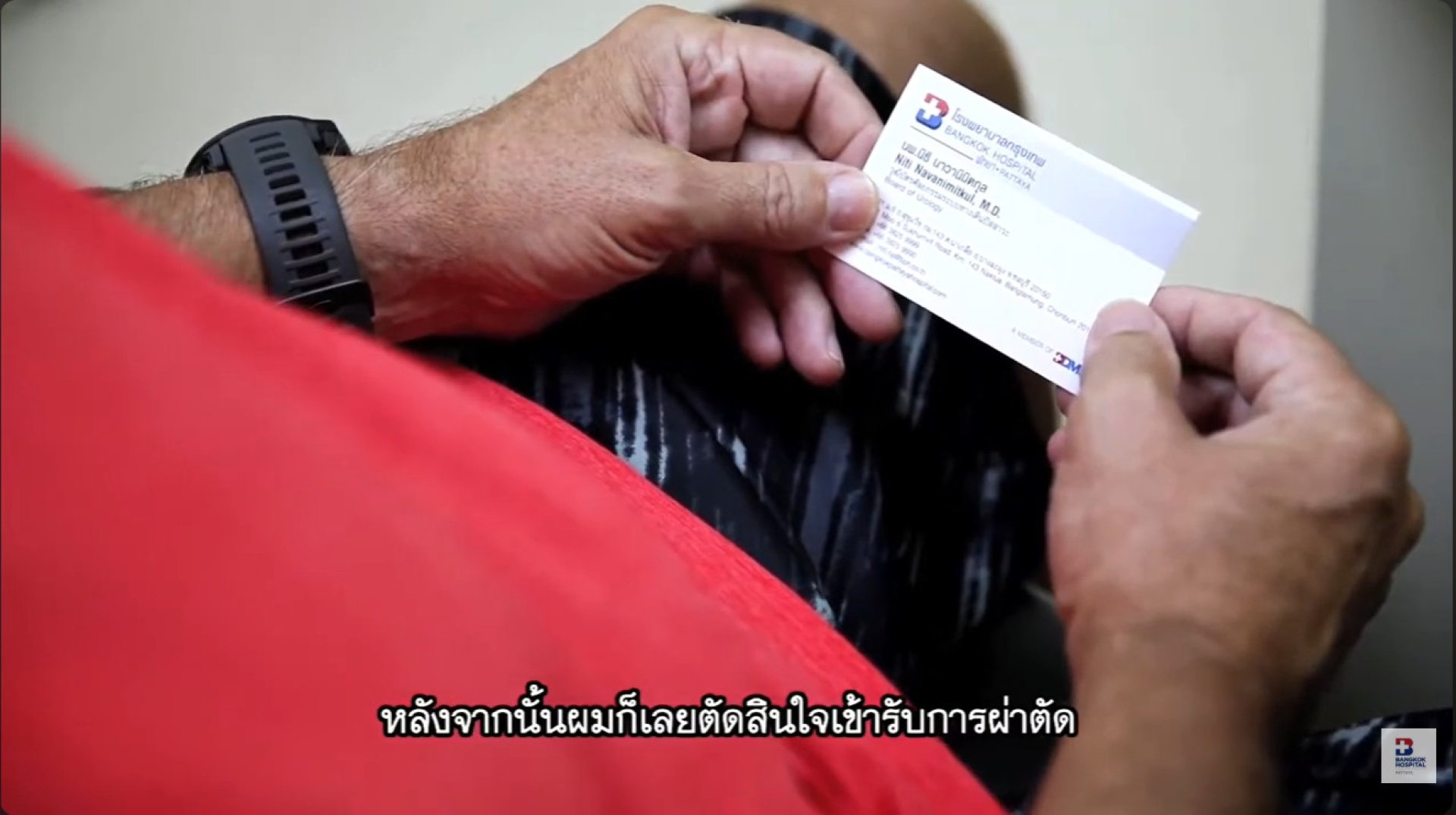
Prostate Cancer Treatment in Thailand: Mr. Hans Shares His Experience at Bangkok Pattaya Hospital
A personal story of early detection, professional medical care and a positive treatment experience with Dr. Nithi Navanimitkul.
Prostate cancer is one of the most common cancers affecting men, particularly as they grow older. However, early detection can give patients more treatment options and a better chance of successful disease management.
For international residents and visitors in Thailand, access to regular health checkups and experienced medical professionals can be an important part of maintaining good health.
In this patient testimonial, Mr. Hans, a Norwegian resident who has lived in Thailand for many years, shares his experience of discovering and receiving treatment for early-stage prostate cancer at Bangkok Pattaya Hospital.
His story highlights the importance of regular health examinations, timely medical attention and confidence in the healthcare team.
Mr. Hans's Prostate Cancer Experience in Thailand
Mr. Hans has lived in Thailand for a long time and has regularly attended annual health checkups at Bangkok Pattaya Hospital.
During one of his routine examinations, doctors discovered signs of early-stage prostate cancer. Understanding the importance of addressing the condition, he promptly sought further medical attention.
He received treatment under the care of Dr. Nithi Navanimitkul, a urologist at Bangkok Pattaya Hospital.
Looking back on his experience, Mr. Hans expressed great satisfaction with the medical team, nurses and hospital staff. He particularly appreciated the professional care, attention and support he received throughout his treatment.
Most importantly, he was very pleased with his treatment outcome.
His experience demonstrates how regular health examinations, appropriate medical assessment and professional support can make an important difference when dealing with a serious health condition.
Why Early Detection of Prostate Cancer Matters
The prostate is a small gland located below the bladder in men. It plays an important role in the male reproductive system.
Prostate cancer develops when abnormal cells grow in the prostate gland. In its early stages, the disease may not produce noticeable symptoms, which is why medical assessment and appropriate screening discussions are important.
Some men discover prostate cancer during routine health examinations before experiencing any symptoms.
Common Risk Factors
Several factors may influence a man's likelihood of developing prostate cancer:
- Age: The risk generally increases as men grow older.
- Family history: Having close relatives with prostate cancer may increase individual risk.
- Genetic factors: Certain inherited genetic changes can increase susceptibility.
- Personal medical history: Some family histories of related cancers may indicate an increased inherited risk.
Men should discuss their individual risk factors and appropriate screening options with a qualified doctor.
Understanding PSA Testing
One commonly used test in prostate cancer assessment is the Prostate-Specific Antigen (PSA) blood test.
PSA is a protein produced by the prostate gland. Measuring its level in the blood can help doctors identify abnormalities that may require further investigation.
However, an elevated PSA level does not automatically mean that a patient has prostate cancer. Other prostate conditions can also increase PSA levels.
Depending on the findings, a doctor may recommend additional investigations, such as:
- Repeat PSA testing.
- Digital rectal examination (DRE).
- Prostate MRI.
- Prostate biopsy.
- Additional laboratory investigations.
The appropriate assessment depends on the patient's age, medical history, PSA results and overall health.
Prostate Cancer Treatment at Bangkok Pattaya Hospital
Bangkok Pattaya Hospital provides urological services for patients requiring prostate assessment and treatment.
According to the hospital, treatment options for prostate cancer may include different approaches depending on the stage, risk classification and individual circumstances.
These may include:
1. Active Surveillance
Some patients with low-risk, slow-growing prostate cancer may be suitable for active surveillance.
This approach involves regular monitoring through medical examinations, PSA tests and other investigations when appropriate.
The objective is to monitor the condition carefully and avoid unnecessary treatment while maintaining the opportunity to intervene if the disease shows signs of progression.
2. Surgical Treatment
Surgery may be recommended for certain patients, particularly when the cancer is localised and the patient is suitable for an operation.
One option is radical prostatectomy, which involves removing the prostate gland and, when indicated, nearby tissues.
Laparoscopic techniques may be used in appropriate cases. The choice of surgical method depends on the patient's condition and the treating surgeon's assessment.
3. Radiation Therapy
Radiation therapy uses high-energy radiation to destroy cancer cells.
It may be recommended as an alternative to surgery or as part of a wider treatment plan, depending on the cancer's stage and risk classification.
4. Hormone Therapy
Hormone therapy reduces or blocks the effects of male hormones that can encourage prostate cancer growth.
It may be used in combination with other treatments or in specific clinical circumstances.
Not every patient requires the same treatment. A specialist should explain the benefits, limitations and possible side effects of each suitable option before a decision is made.
Meet Dr. Nithi Navanimitkul – Urologist at Bangkok Pattaya Hospital
An important part of Mr. Hans's experience was the professional care and support provided by his treating doctor.
Dr. Niti Navanimitkul is listed by Bangkok Pattaya Hospital as a specialist in urological surgery.
His professional background includes medical education at Chiang Mai University and further training in urological surgery. His listed clinical interests and qualifications include several areas of urological treatment.
For patients considering prostate cancer assessment or treatment in Thailand, discussing their medical condition directly with a qualified urologist is an important first step.
View Dr. Niti Navanimitkul's Official Profile
Why International Patients Consider Thailand for Prostate Cancer Care
Thailand has developed a strong reputation as a destination for international healthcare services.
For expatriates, retirees and international visitors, the country offers access to private hospitals, specialist consultations and a range of medical services.
Some reasons patients consider Thailand include:
- Access to specialist doctors: Patients can seek consultations with specialists in urology and other medical disciplines.
- International patient services: Selected hospitals provide assistance for overseas patients, including communication and appointment coordination.
- Modern medical facilities: Private hospitals offer diagnostic services and different treatment options.
- Patient support: Medical teams, nurses and support staff contribute to the overall patient experience.
- Convenient travel: Thailand has international airports, accommodation options and established tourism infrastructure.
However, patients should always compare medical recommendations, treatment plans, costs and follow-up arrangements before choosing a hospital.
The Importance of Regular Health Checkups for Men
Mr. Hans's experience provides an important reminder that routine health examinations can help identify medical conditions that might otherwise go unnoticed.
Prostate cancer may develop without obvious early symptoms. Therefore, men should discuss the possible benefits and limitations of PSA screening with their doctors.
Screening decisions should consider individual risk, age, life expectancy and personal preferences.
An annual health checkup does not guarantee that every condition will be detected, but an appropriate medical assessment can help identify concerns that require further investigation.
A Patient's Confidence Is Part of the Healthcare Experience
Medical treatment involves more than the procedure itself.
For patients facing a cancer diagnosis, clear communication, professional guidance, nursing support and confidence in the medical team can all contribute to a more reassuring treatment experience.
Mr. Hans's testimonial illustrates the importance of these elements.
After discovering early-stage prostate cancer during a routine health examination, he received medical attention from Dr. Nithi Navanimitkul and the team at Bangkok Pattaya Hospital.
His satisfaction with the care he received and the treatment outcome reflects his personal experience and his confidence in the hospital.
Every patient's medical condition and treatment journey is different, but his story offers an encouraging example of the value of taking health concerns seriously and seeking appropriate medical advice.
Summary
Patient Background & Routine Screening: Mr. Hans Konrad Nyvoll, a 60-year-old Norwegian expatriate who has lived in Thailand for over 18 years with his wife and child, discovered an elevated PSA level during a job-provided health checkup at Bangkok Hospital Pattaya.
Early Prostate Cancer Diagnosis: Further tests confirmed early-stage prostate cancer. Mr. Nyvoll describes the diagnosis as a shock since he had no symptoms, emphasising how fortunate he was to get checked.
Care & Communication with Dr. Niti: He praises Dr. Niti for being kind, gentle, and candid—providing honest information without false hope, which helped him feel comfortable and well-informed.
Surgery, Recovery & Endorsement: Although nervous before surgery, he felt reassured by the caring staff, experienced mild early pain and a temporary catheter, followed medical instructions, and continues to trust Bangkok Hospital Pattaya after 18 years of care.
Discover Medical Care in Thailand with ThaiCureo
Our goal is to help international patients explore healthcare options in Thailand, understand available services and connect with appropriate medical providers.
Whether you are considering a health checkup, specialist consultation, prostate assessment or another medical service, understanding your options is an important first step.
Your health deserves attention, information and professional care.
Contact ThaiCureo to learn more about healthcare services and medical travel opportunities in Thailand.
Visit ThaiCureo
Medical disclaimer: This article is intended for general educational and informational purposes. It is not a substitute for professional medical advice, diagnosis or treatment. Individual screening and treatment decisions should be made in consultation with a qualified healthcare professional. Mr. Hans's testimonial describes his personal experience and does not guarantee similar results for other patients.
Recommended links



 Petergems

 Thomas K.
 Petergems
