Stem Cell Research and Regenerative Medicine in Thailand
Last updated: 24 Nov 2026
12 Views
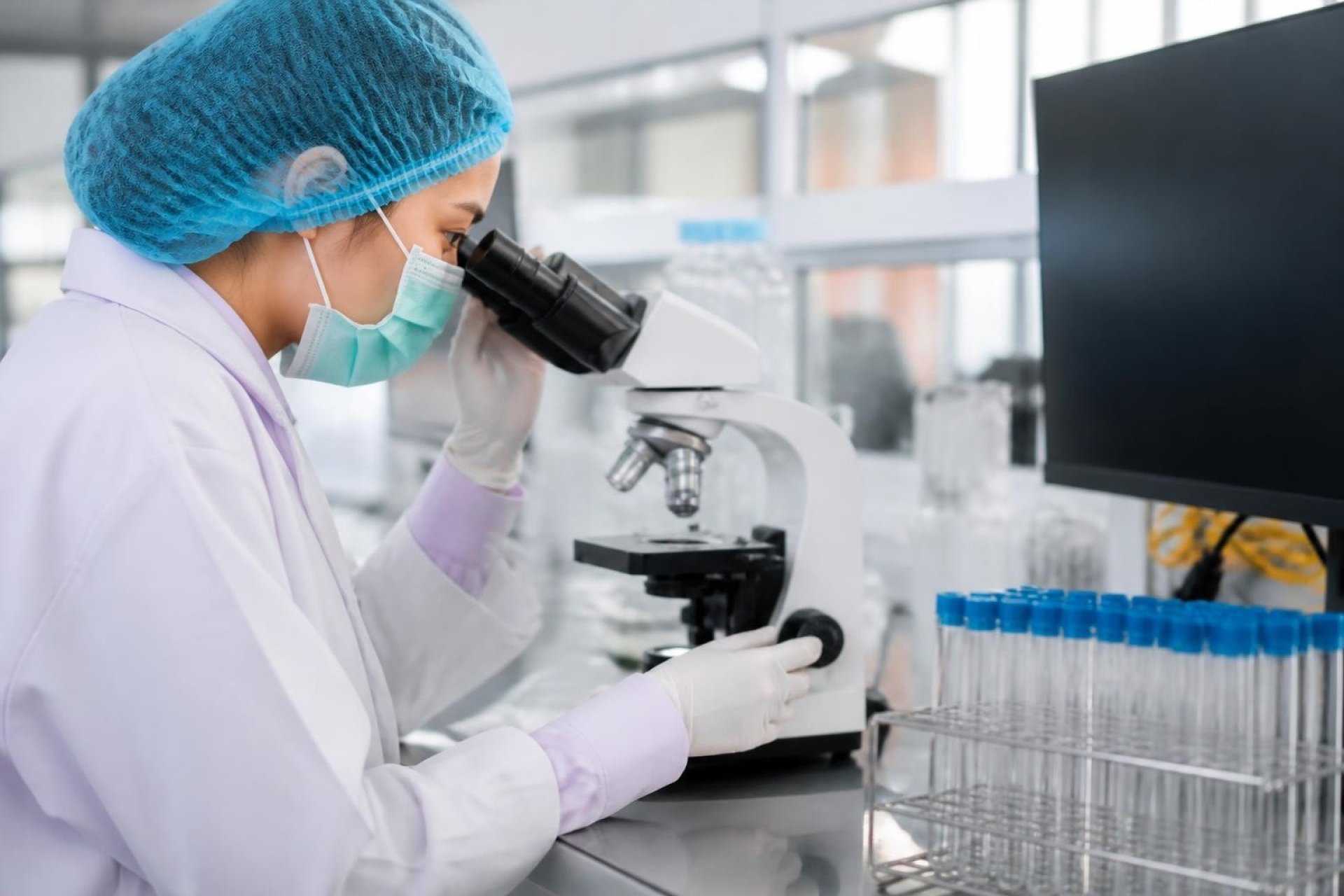
Stem Cell Research and Regenerative Medicine in Thailand: Exploring the Future of Healthcare
A New Era of Medical Research
Medical science continues to explore new ways to understand, prevent and treat diseases. Among the most exciting areas of modern healthcare is regenerative medicine, which investigates how biological materials, cells and tissues may help repair or replace damaged parts of the body.
At the centre of this development is stem cell research, an important scientific field that studies cells with the ability to develop into specialised cell types and, in some circumstances, produce additional stem cells.
Around the world, scientists are investigating how these cells might contribute to treatments for blood disorders, neurological conditions, tissue damage and other diseases.
Thailand is also developing its capabilities in stem cell research, biotechnology and advanced medical therapies. Universities, research institutions and healthcare organisations are contributing to scientific knowledge and the development of new medical applications.
However, it is important to understand the difference between established medical treatments, promising research and experimental procedures. Not every treatment advertised as regenerative medicine has been proven safe and effective.
What Is Stem Cell Research?
Stem cell research is the scientific study of cells that can develop into different specialised cell types. Depending on their characteristics, some stem cells can produce a limited range of cell types, while others have a much broader developmental potential.
Researchers study these cells to understand how the human body develops, how tissues become damaged and whether particular cells may eventually be used in medical treatment.
Different Types of Stem Cells
There are several important categories of stem cells.
Embryonic stem cells
These cells are derived from early-stage embryos and have the ability to develop into almost any cell type in the human body. Their use in research involves important scientific, ethical and regulatory considerations.
Adult stem cells
These cells are found in certain tissues and organs. Examples include blood-forming stem cells found in bone marrow and blood. They help maintain and repair particular tissues.
Induced pluripotent stem cells (iPSCs)
Scientists can reprogram certain mature cells into a stem-cell-like state. These cells provide opportunities to study diseases, investigate potential treatments and develop models for drug testing.
Why Is Stem Cell Research Important?
Stem cell research may contribute to several areas of medical science:
- Understanding how diseases develop.
- Studying the effects of medicines on human cells.
- Investigating tissue repair and regeneration.
- Developing new approaches to treating selected blood disorders.
- Exploring future treatments for damaged tissues and organs.
Although these developments are promising, research findings do not automatically translate into successful treatments for patients.
What Is Regenerative Medicine?
Regenerative medicine is a broad field of healthcare research that investigates ways to repair, replace or restore damaged cells, tissues and biological functions.
It includes several technologies, such as:
- Cell-based therapies.
- Tissue engineering.
- Biological materials and scaffolds.
- Gene therapy.
- Research involving stem cells.
- Certain approaches to immune-cell modification.
Stem cell research is therefore one important part of regenerative medicine, but the two terms do not mean the same thing.
For example, some regenerative treatments use engineered tissues or modified immune cells rather than conventional stem cells.
The long-term objective of regenerative medicine is to develop scientifically supported treatments that address the underlying biological problems responsible for certain diseases or injuries.
Stem Cell Research in Thailand
Thailand has been developing its scientific capabilities in biotechnology, cell-based medicine and advanced medical research.
Universities and medical institutions contribute to this development through laboratory research, clinical investigation, scientific education and collaboration.
Siriraj Centre of Excellence for Stem Cell Research
One example is the Siriraj Centre of Excellence for Stem Cell Research (SiSCR), established by the Faculty of Medicine Siriraj Hospital, Mahidol University.
The centre aims to develop scientific knowledge and technologies involving stem cells, support specialist training and encourage research collaboration.
Its work illustrates the role of academic medical institutions in advancing scientific understanding and exploring possible medical applications.
Official information:
This type of institutional research is important because responsible stem cell research requires scientific expertise, laboratory standards, ethical review and careful evaluation before new applications can become accepted medical treatments.
Established Treatments and Emerging Medical Applications
Not all cell-based treatments have the same level of scientific evidence. Some have established medical applications, while others remain under investigation.
Blood and Bone Marrow Stem Cell Transplantation
One established application is haematopoietic stem cell transplantation, commonly known as blood or bone marrow stem cell transplantation.
It is used in the treatment of selected blood cancers and blood disorders, including certain forms of leukaemia, lymphoma and thalassaemia.
The procedure uses blood-forming stem cells to restore the body's ability to produce healthy blood cells following appropriate medical treatment.
It is a specialised procedure requiring careful patient selection, donor assessment when applicable and long-term medical monitoring.
Regenerative Medicine and Tissue Repair
Researchers are investigating whether particular cell types can contribute to the repair of damaged tissues.
Areas of investigation include:
- Cartilage and musculoskeletal tissue.
- Neurological conditions.
- Heart and blood vessel diseases.
- Skin and wound healing.
- Certain inflammatory and immune-related conditions.
However, the level of clinical evidence varies considerably between applications. A result observed in laboratory research does not prove that the same approach will be safe or effective in people.
Advanced Cell and Gene Therapies
Another important development involves Advanced Therapy Medicinal Products (ATMPs).
These include certain cell therapies, gene therapies, tissue-engineered products and combined advanced therapies.
For example, CAR-T cell therapy modifies a patient's immune cells so that they can recognise and attack particular cancer cells. Although it is a form of advanced cell therapy, it is not the same as conventional stem cell treatment.
This distinction is important when evaluating medical claims and understanding what a proposed treatment actually involves.
Thailand's Regulatory Framework for Advanced Therapies
Scientific innovation must be supported by appropriate regulation, ethical oversight and manufacturing standards.
Thailand's Food and Drug Administration (Thai FDA) has been developing its regulatory framework for Advanced Therapy Medicinal Products.
The framework addresses several important areas:
- Product quality and safety.
- Clinical research and human trials.
- Manufacturing standards.
- Regulatory review and authorisation.
- Evidence of clinical effectiveness.
- Monitoring of authorised products.
Thailand's ATMP policy and development initiatives are intended to support innovation while maintaining appropriate standards for patient safety.
Official information:
The regulatory status of a particular product or procedure must always be checked directly. Permission to conduct a clinical trial does not mean that a treatment has received approval for routine commercial use.
The Importance of Clinical Trials and Scientific Evidence
Stem cell research must progress through a careful scientific process before a new treatment can become part of standard medical care.
Clinical trials help researchers evaluate whether a treatment is safe, whether it produces meaningful benefits and how its risks compare with existing approaches.
The process commonly includes:
Preclinical research: Laboratory and other non-human studies investigate biological activity, possible benefits and potential safety concerns.
Phase I trials: Early human studies primarily assess safety and how the treatment behaves in the body.
Phase II trials: Researchers investigate preliminary effectiveness and continue evaluating safety.
Phase III trials: Larger studies compare the treatment with existing approaches or appropriate control groups.
Regulatory assessment: Relevant authorities review the evidence before deciding whether a product can be authorised for a specific medical use.
Not every experimental treatment completes this process successfully.
The International Society for Stem Cell Research (ISSCR) provides guidance explaining why responsible scientific evaluation and regulatory approval are essential.
Understanding the Risks of Unproven Treatments
The growing public interest in regenerative medicine has also created opportunities for misleading medical advertising.
Some providers make broad claims about treating many unrelated diseases, reversing ageing or regenerating organs without sufficient clinical evidence.
Patients and families should be cautious when a provider promises guaranteed results or describes an experimental procedure as a proven cure.
Potential risks of inadequately evaluated cell-based interventions can include:
- Infection or contamination.
- Immune reactions.
- Unwanted tissue growth.
- Inflammation or other unexpected reactions.
- Complications associated with the administration procedure.
- Unknown long-term effects.
The actual risks depend on the type of cells, manufacturing process, treatment method and medical condition.
Before considering any experimental intervention, patients should understand its research status, regulatory authorisation, scientific evidence and possible complications.
The ISSCR specifically warns against premature commercialisation of unproven stem cell interventions.
The Future of Stem Cell Research and Regenerative Medicine in Thailand
Thailand's investment in scientific research, biotechnology and advanced medical innovation may create opportunities for future healthcare developments.
Several areas deserve attention.
Personalised and Precision Medicine
Advances in genetics and molecular diagnostics may help researchers understand why patients respond differently to particular treatments.
Combining these technologies with cellular research may eventually support more personalised medical approaches.
Tissue Engineering and Organ Repair
Scientists are investigating ways to create biological structures that may support tissue repair or replace damaged tissue.
Although this field has significant potential, developing complex tissues that function safely inside the human body remains a major scientific challenge.
Cell and Gene Therapy
Research into genetically modified cells and advanced cell-based products may contribute to treatments for selected cancers, inherited conditions and other serious diseases.
Thailand's developing ATMP framework is relevant to the responsible evaluation and regulation of these technologies.
International Research Collaboration
Scientific progress often depends on cooperation between universities, hospitals, biotechnology companies and research organisations.
International collaboration can support knowledge exchange, specialist training and clinical research, while helping institutions maintain recognised scientific and ethical standards.
Frequently Asked Questions
What is the difference between stem cell research and regenerative medicine?
Stem cell research studies the characteristics and possible medical applications of stem cells. Regenerative medicine is a broader field that includes cell therapies, tissue engineering, gene-based technologies and other approaches to repairing or replacing damaged tissues.
Is stem cell treatment available in Thailand?
Some stem cell-based treatments have established medical applications, including blood-forming stem cell transplantation for selected blood disorders. Other cell-based interventions remain experimental or are limited to authorised research settings. The status must be checked for each specific product and medical indication.
Are all stem cell treatments scientifically proven?
No. Evidence differs significantly between treatments. Some applications are established, while others have not demonstrated sufficient safety and effectiveness in well-designed clinical studies.
What is an ATMP?
An Advanced Therapy Medicinal Product is a category of medical products that includes certain cell therapies, gene therapies and tissue-engineered products. These products require appropriate regulatory evaluation.
Does Thailand conduct stem cell research?
Yes. Thai universities and research institutions, including Siriraj Hospital's Centre of Excellence for Stem Cell Research, contribute to scientific research and development in this field.
How can people evaluate claims about regenerative medicine?
They should check whether the treatment has been properly evaluated, whether the product is authorised for the specific medical use, whether published clinical evidence supports the claims and whether the research has received appropriate ethical and regulatory approval.
Building a Responsible Future for Regenerative Medicine
Stem cell research and regenerative medicine represent important areas of modern scientific development. They offer opportunities to investigate new approaches to treating diseases, repairing damaged tissues and improving our understanding of human biology.
Thailand is contributing to this development through academic research, biotechnology initiatives and the evolving regulation of advanced medical therapies.
However, scientific progress requires patience, reliable evidence and strong patient protection. Promising laboratory discoveries should not be confused with proven medical treatments.
The future of regenerative medicine in Thailand will depend on responsible research, transparent regulation, qualified medical professionals and continued international scientific collaboration.
ThaiCureo aims to provide clear and responsible information about healthcare developments in Thailand, helping readers understand medical innovation without confusing experimental research with established treatment.
Visit ThaiCureo for more information about healthcare and medical developments in Thailand.
Medical Disclaimer: This article is for general educational purposes only. It does not provide medical advice, diagnosis or treatment recommendations. Stem cell and regenerative medicine interventions may carry significant risks, and many proposed applications remain experimental. Any treatment decision should be discussed with qualified healthcare professionals, with appropriate regulatory and scientific evidence.




Tags :
Related Content

Discover Philippe's medical emergency in Thailand and learn about acute pancreatitis, its warning signs, diagnosis, hospital treatment and medical care for international visitors.
 Petergems
24 Nov 2026

Learn how sleeve gastrectomy works, how it differs from gastric banding, and what patients should understand about benefits, risks, and long-term care.
Petergems
6 Nov 2026

Discover Mr. Hans's experience with early-stage prostate cancer treatment at Bangkok Pattaya Hospital under Dr. Nithi Navanimitkul.
Petergems
26 Nov 2026
